
Fashion Week was never meant to be public. In the mid-20th century, it was a private ritual between designers, buyers, and editors—an industry handshake that determined what the world would wear six months later. Today, it’s something entirely different. What was once a backstage whisper has become a global conversation. Every collection shown in New York, Los Angeles, or Miami is not just about clothes anymore; it’s about identity, values, and the state of culture itself.
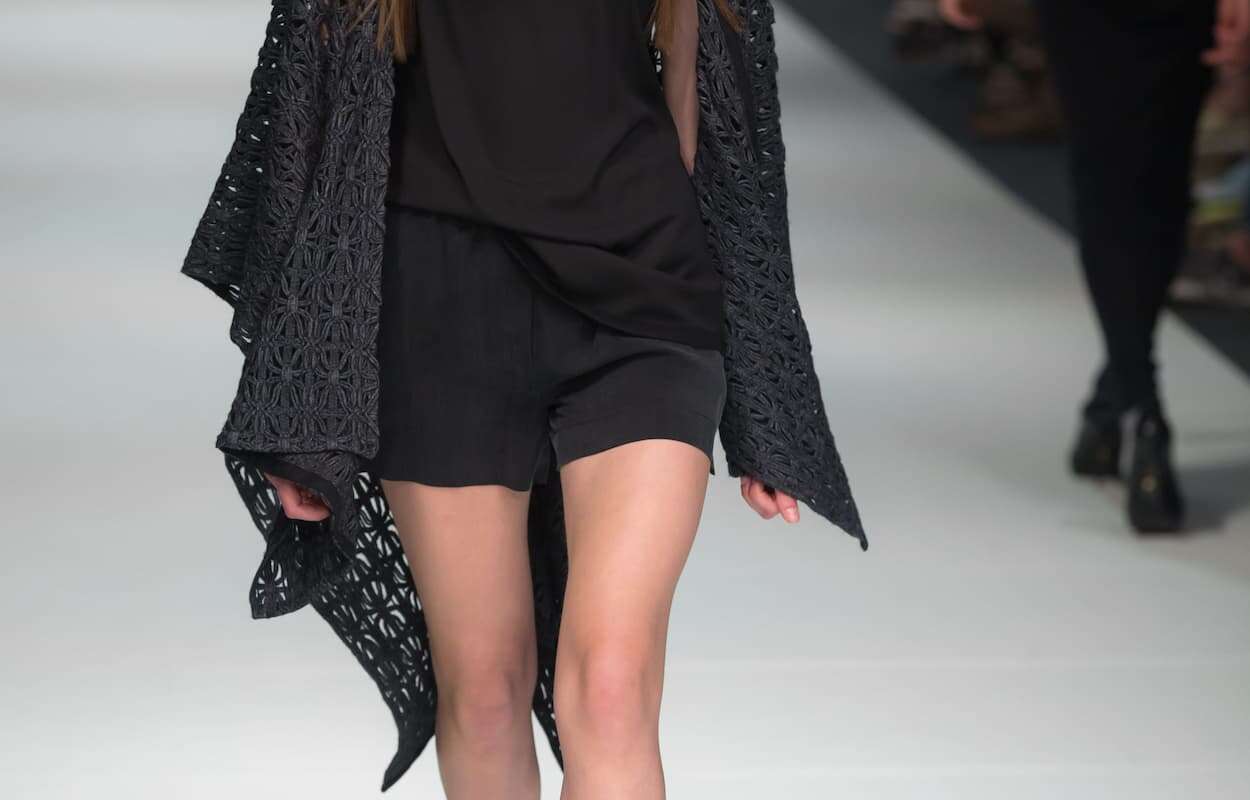
When you scroll through runway coverage now, you’re not just watching hemlines rise and silhouettes change. You’re witnessing debates about gender fluidity, sustainability, and digital life. Designers aren’t just presenting fabric; they’re presenting philosophies. Runways have become platforms for reflection, where social shifts appear before they’re codified elsewhere. The catwalk has turned into culture’s preview.
In New York, where the modern format was born in 1943, Fashion Week has always mirrored ambition. During World War II, it served as a patriotic move to draw attention to American design when Paris was inaccessible. Eighty years later, it’s still about reinvention—but now that reinvention speaks to inclusivity. Brands like Collina Strada and Chromat use the stage to challenge beauty standards and redefine what the body in fashion looks like. Every casting choice feels like a statement. Every model walking is part of a larger dialogue about representation.
Los Angeles has taken a different approach, redefining luxury through lifestyle rather than legacy. The city’s shows blur boundaries between fashion, music, and social influence. Labels like Fear of God and Rhude have turned L.A. into the capital of quiet power dressing—an aesthetic that merges street culture with spiritual undertones. Unlike the exclusivity of old Fashion Week, L.A.’s approach feels open-source. It’s less about gatekeeping and more about community-building. You see the shift in who attends: digital creators, stylists, musicians, and cultural thinkers now sit where editors once ruled.
Then there’s Miami, where Fashion Week has evolved into a celebration of cross-border creativity. It’s the only major U.S. fashion city where Latin American designers hold equal footing. Here, sustainability isn’t just a concept—it’s a business model. The event’s 2024 program dedicated nearly 40% of its shows to circular production and upcycling initiatives, according to the CFDA. Designers like Silvia Tcherassi and Carolina K have turned craftsmanship into climate-conscious design. Miami’s runways feel like an answer to fast fashion’s excess—a reminder that color, culture, and conscience can coexist.
Beyond aesthetics, the economics of Fashion Week tell their own story. According to Launchmetrics, New York Fashion Week generated over $66 million in Media Impact Value in 2023, while Los Angeles events saw a 24% increase in influencer-driven engagement. The runway is no longer confined to the front row—it’s optimized for the algorithm. A viral moment now holds more weight than a traditional review. Designers understand that their audience isn’t just in the venue but scattered across millions of screens. The democratization of access has also meant the democratization of critique. Every viewer is now a cultural commentator.
That democratization comes with tension. When every collection must double as a cultural statement, creativity can feel burdened by expectation. Yet it’s also this pressure that gives the modern runway its relevance. Fashion shows are no longer about escapism—they’re about reflection. They ask questions about who we are becoming. When a designer like Elena Velez incorporates rusted metal from Milwaukee factories into corsetry, or when Telfar Clemens turns his logo into a symbol of economic equality, the work speaks to more than trend—it speaks to time.
The pandemic accelerated this transformation. As digital presentations replaced physical shows, fashion houses learned that storytelling could no longer rely on presence—it had to rely on purpose. The result is a more transparent, value-driven industry. Hybrid shows now integrate AR technology, sustainability metrics, and even blockchain-based garment tracking. The future of Fashion Week isn’t about front-row exclusivity; it’s about proof of impact. What matters is not who sees it live, but what they do with what they see.

For designers and fashion students, this shift offers both opportunity and responsibility. It means that creative expression now comes with social weight. Your work doesn’t just exist in a vacuum; it participates in public dialogue. To thrive in this new landscape, you need fluency in more than fabric—you need fluency in culture, climate, and code. The next generation of fashion leaders won’t just design clothes; they’ll design meaning.
At its best, Fashion Week is no longer a performance—it’s a pulse check. It reflects what we value, fear, and aspire toward as a collective. When you watch a runway today, you’re watching civilization in motion—stitched, sculpted, and streamed in real time. And while the clothes still matter, it’s what they say about us that makes them worth watching.