
The hum of machines has always fascinated humanity. From the first loom to the latest algorithm, we’ve pursued speed, precision, and replication. Yet somewhere between the metaverse and mass production, the pendulum began to swing back. In fashion, that shift is no longer subtle. In workshops from New York to Nashville, a new generation of tailors, designers, and fabric technologists is reviving the handmade—not as nostalgia, but as the next frontier of innovation.
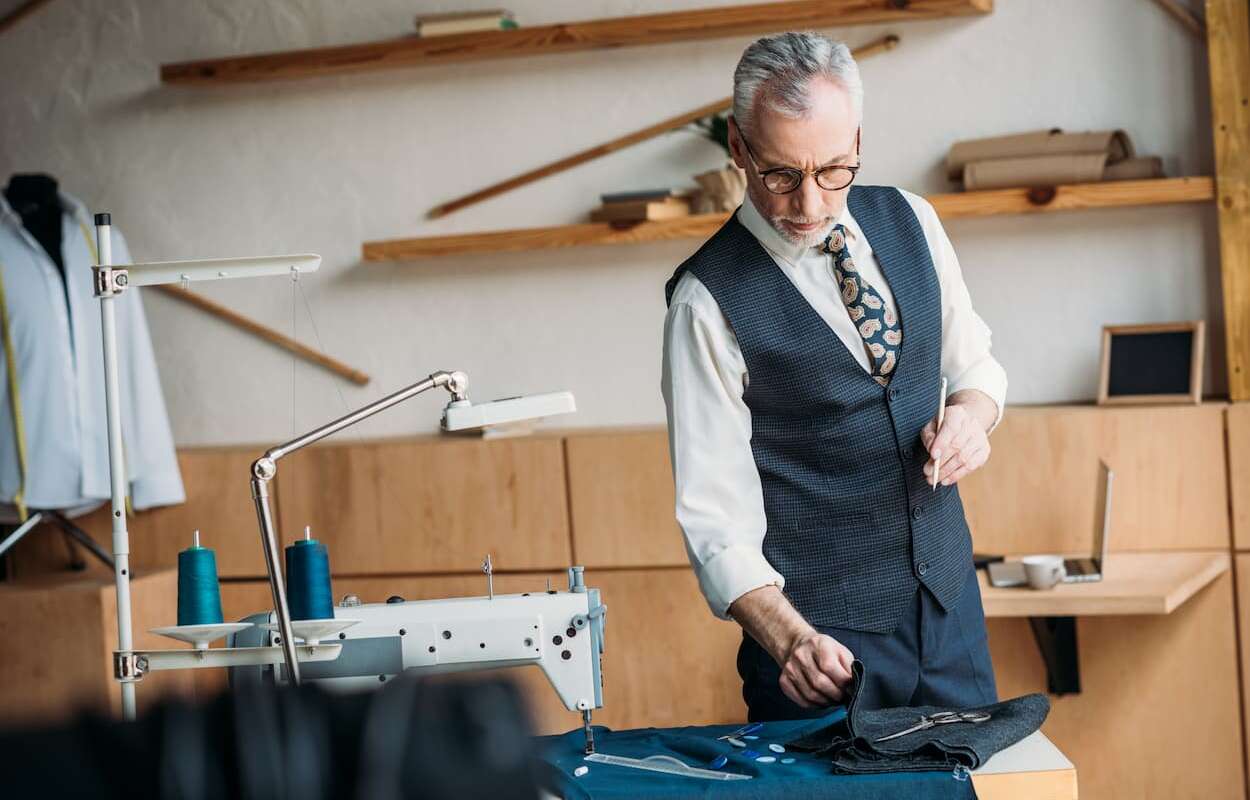
You can feel it the moment a jacket fits your frame like it was made for your story. Every dart, stitch, and lining detail carries intention—something no assembly line can replicate. That experience is what’s driving the resurgence of bespoke tailoring in the digital era. The human hand, once overshadowed by the machine, has become the true mark of luxury again. Not because technology failed, but because it went too far in trying to erase the imperfections that make us real.

Today’s ateliers are no longer quaint throwbacks to old Europe. They’re laboratories where algorithms and artisans share the same workbench. Take, for instance, Huntsman on Savile Row integrating 3D body scanning into its bespoke process. Or Nashville-based Peter Nappi, blending Italian shoemaking with data-driven fit models to reduce waste. Technology, in these spaces, doesn’t replace the tailor—it sharpens their intuition. It gives them the precision of a surgeon and the freedom of a sculptor.
Generative AI has quietly become the new apprentice in these modern workshops. It can simulate fabric drape before the first yard is cut, predict how wool will breathe under different humidity levels, or optimize stitch density for durability. Yet, what emerges from these digital experiments is still shaped by the artisan’s eye. AI can suggest symmetry, but it can’t feel balance. It can mimic form, but not grace. You realize, then, that the true craft lies in knowing when to stop listening to the algorithm and start listening to the fabric.
There’s also an environmental logic behind this renaissance. The World Bank estimates that fashion accounts for 10% of global carbon emissions, much of it tied to overproduction and waste. In contrast, small-batch and made-to-order models slash excess inventory and water consumption. When a piece is cut for one person, there are no markdowns, no landfills, no “dead stock.” Sustainability becomes not a buzzword, but a built-in discipline—one that rewards patience over volume.

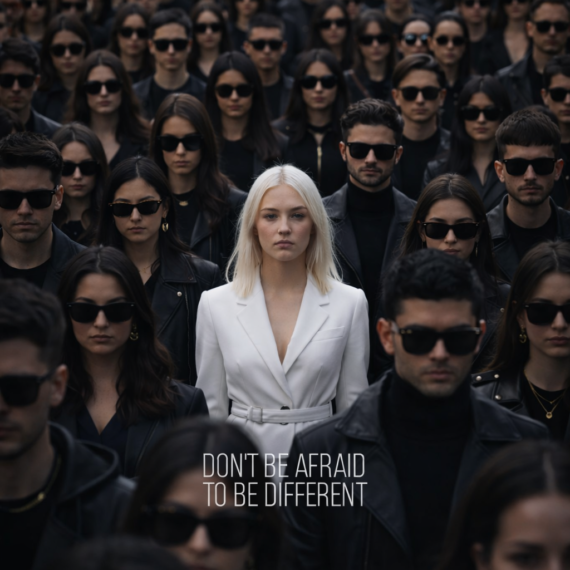
The cultural shift is equally significant. For Gen Z and younger millennials—digital natives who grew up with fast fashion—tailoring represents rebellion. It’s a rejection of disposability in favor of identity. You can scroll endlessly through online collections, but you’ll never find yourself there until someone measures your shoulder seam in person. A hand-sewn garment speaks to your life, not an algorithmic trend report. It’s the difference between wearing fashion and wearing meaning.
You might think this revival belongs only to those with the means for bespoke suits, but its influence reaches further. Independent designers across the U.S. are embracing craftsmanship as their competitive edge. Brands like Bode, 18 East, and Atelier Savas merge historical tailoring with modern silhouettes, using AI tools to model collections while maintaining human assembly. Their studios feel more like artist residencies than factories. The message is clear: luxury isn’t scale—it’s story.
The lesson for anyone in design today is simple yet profound: mastery still matters. While AI can accelerate learning curves, it can’t shortcut wisdom. You can’t automate empathy into the cut of a jacket or the weight of a fabric resting on the skin. Craft is what translates human experience into form. In that sense, the resurgence of tailoring isn’t anti-tech—it’s post-tech. It reminds us that progress doesn’t always mean moving faster; sometimes it means moving with care.

And care, it turns out, has commercial value. McKinsey’s 2024 luxury report noted a 32% increase in demand for bespoke services globally, particularly among consumers under 35. The irony? The digital generation is paying a premium for what their grandparents took for granted—a human touch. But this isn’t regression; it’s evolution. We’ve digitized everything except emotion, and tailoring is how we’re finding our way back to it.
In the age of AI, craftsmanship has become a kind of quiet defiance—a statement that true sophistication still requires a soul. Whether you’re a designer coding new tools, a student threading your first needle, or a client seeking meaning beyond the logo, the message is the same: perfection is no longer the goal. Presence is. The beauty of the hand-made isn’t that it’s flawless, but that it feels alive—and in a world increasingly generated by machines, that may be the most luxurious thing of all.