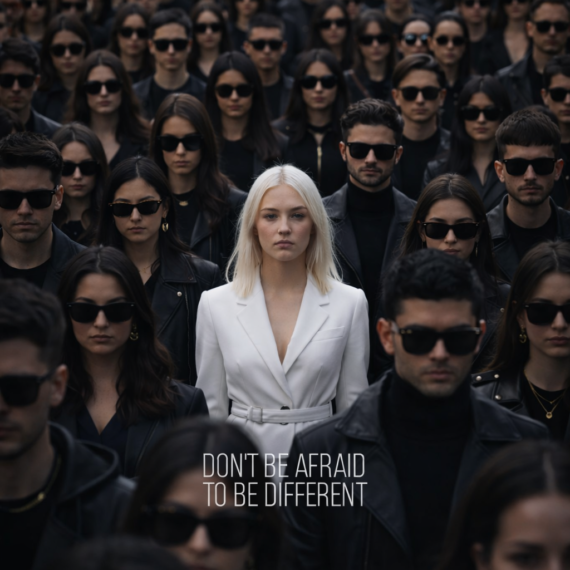

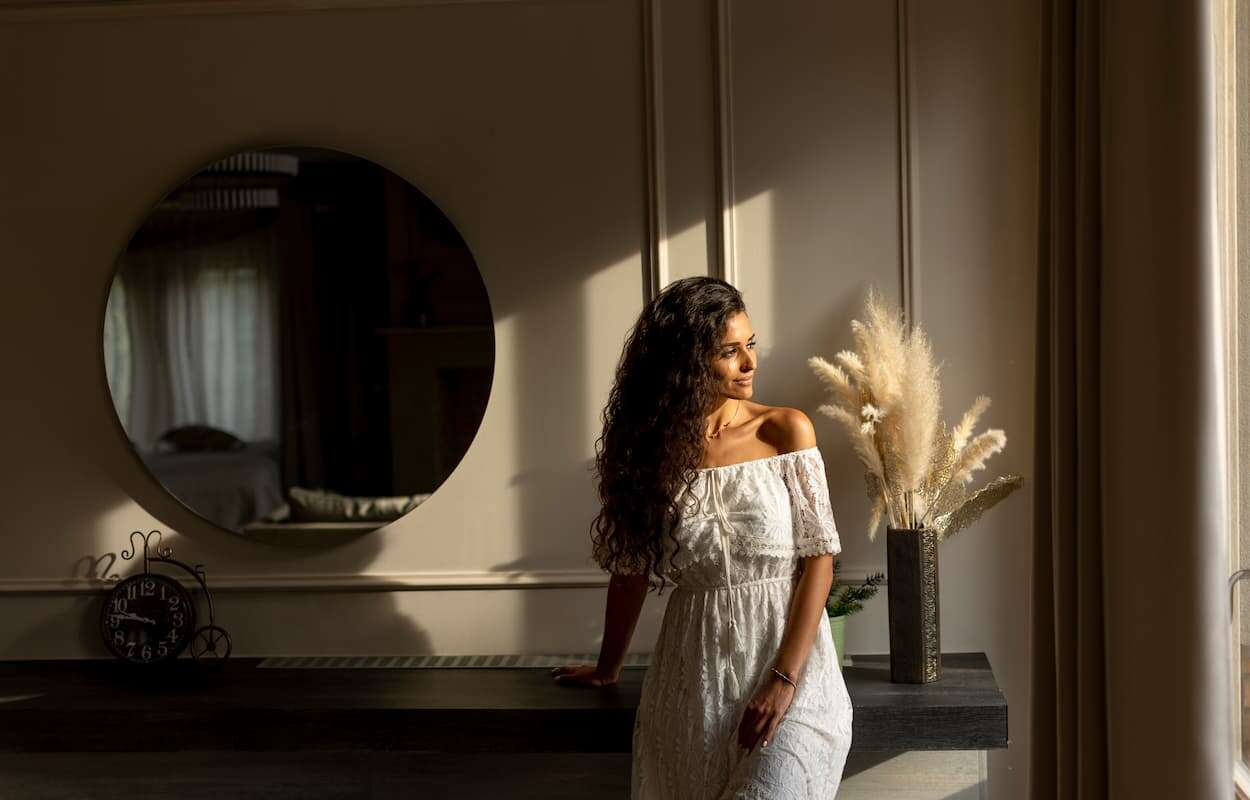
If you listen closely, luxury doesn’t whisper anymore—it breathes. In 2026, quiet luxury isn’t just a color palette or a mood board; it’s an entire frequency. Once synonymous with beige restraint and stealth wealth, the concept has matured into something deeper: a coded language of precision, restraint, and meaning. The loudest statement a brand can make now is to speak softly but with perfect clarity.
The shift began when the world grew tired of spectacle. After years of logo-heavy excess and influencer-driven noise, fashion entered a collective exhale. The pandemic’s reset made ownership feel heavy and permanence feel precious. Consumers started paying for peace of mind, not performance. McKinsey’s 2025 State of Fashion report noted that brands emphasizing heritage craftsmanship and traceable materials outperformed trend-driven competitors by nearly 18%. In other words, quiet became profitable again—but this time, it’s not aesthetic minimalism that’s selling. It’s emotional precision.

So what does quiet luxury sound like now? It’s the hum of a studio where artisans stitch by hand. The soft rustle of linen woven in a family mill. The deliberate pause in a designer’s voice when they explain how a button is carved. Sound, in this context, becomes metaphor—a measure of restraint, patience, and care. In an age where algorithms scream for attention, silence has become the new exclusivity.
Brands at the forefront of this movement understand that subtlety isn’t absence—it’s presence distilled. The Row still defines the visual language of refinement, but younger labels are adding new dimensions. In Chicago, fashion house ESQ is blending made-to-measure tailoring with sustainability tech, using recycled silk blends that feel as fluid as wealth itself. Meanwhile, Bottega Veneta’s quiet ascendance continues through Daniel Lee’s legacy: communication through texture, not taglines. What unites these brands is a shared discipline—an understanding that true luxury doesn’t need to announce itself when it can be felt.
This evolution also reflects a broader cultural mood. “Quiet” no longer means invisible; it means intentional. The modern consumer isn’t trying to disappear—they’re choosing discretion over display. This is especially true among younger luxury buyers. Bain & Company reports that Gen Z now accounts for 20% of global luxury spending, but their definition of status is radically different. They value knowledge, craftsmanship, and cultural literacy more than overt branding. In their world, a hand-finished hem carries more social currency than a monogram ever could.
The semiotics of quiet luxury have shifted too. What was once visual has become behavioral. You can see it in how brands communicate—not through campaigns, but through cadence. Hermès’ decision to limit digital presence while expanding experiential workshops signals confidence rooted in craft. Loewe’s Jonathan Anderson turns restraint into curiosity, letting texture and form narrate what slogans used to. Even audio design has entered the conversation—Balenciaga’s latest runway show featured near silence between models, forcing the audience to listen to fabric.
If fashion once obsessed over visibility, it now trades in discernment. And discernment, as it turns out, can be measured. High-end houses are beginning to quantify craftsmanship as a business asset. According to Deloitte’s 2024 Global Fashion Index, brands that document handwork provenance and artisan labor transparency see a 25% increase in consumer trust metrics. Quiet luxury, then, isn’t abstract—it’s auditable. The quieter the brand, the clearer its integrity must be.
There’s a lesson here for anyone building a brand or personal image. Quiet luxury isn’t about dressing down; it’s about refining up. It asks you to trade immediacy for intimacy—to focus on how something feels rather than how it photographs. That applies to how you speak, design, and even lead. In a market where authenticity is currency, restraint signals confidence. You don’t need to prove your value when it’s built into your process.
Still, the danger lies in imitation. Many brands misread quiet luxury as simply neutral tones and price tags. But quietness without intention rings hollow. The difference between subtlety and silence is purpose. The former invites attention through craftsmanship; the latter fades into forgettable sameness. The brands that will endure this cycle are those that pair minimalism with meaning. They will use design not as a shield, but as a language of respect—toward material, maker, and consumer alike.
The future of quiet luxury isn’t about muting expression; it’s about mastering it. It’s the confident pause in a crowded room, the elegance of saying less but saying it well. In 2026, the quietest brands won’t compete for attention—they’ll command it. Because in the end, true luxury doesn’t need to speak loudly to be heard; it simply needs to speak with intention.