
Fashion has always promised reinvention. Every season, new shapes, palettes, and buzzwords rise and fall like tides. Yet lately, something quieter has been taking hold—an unspoken shift toward permanence. After years of chasing speed, people are beginning to crave stillness. In an age where the next drop arrives before the last one lands, timelessness has become the most radical form of expression.
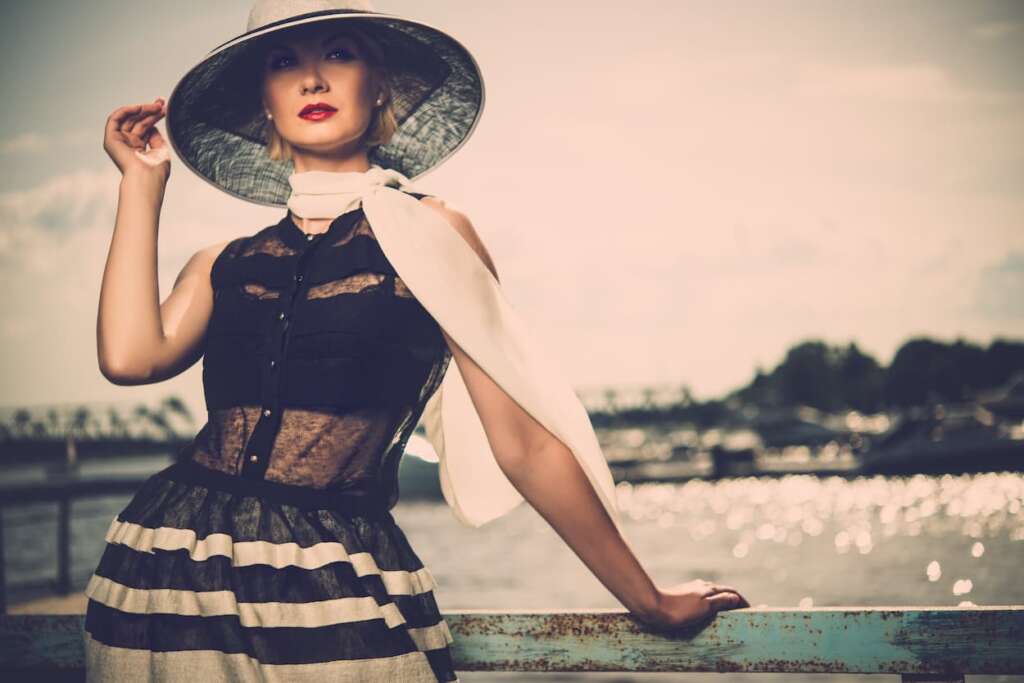
Timelessness doesn’t mean clinging to the past. It means designing, dressing, and consuming with a sense of consequence. You start to realize that what lasts isn’t what screams the loudest but what holds its ground when trends evaporate. A well-cut blazer, a white shirt with a perfect collar, a pair of shoes that age with grace—these aren’t just wardrobe staples. They’re decisions made with intention. Each piece becomes part of your language, something you refine over time rather than replace.

Luxury houses have sensed this cultural shift. Loro Piana’s recent campaigns highlight craftsmanship over logos. Hermès continues to slow down production despite record demand. Even younger brands like The Row and Toteme have built entire identities around restraint. Their success isn’t accidental. They’re speaking to a generation overwhelmed by choice but undernourished by meaning. When you strip away the excess, what’s left must hold emotional weight. That’s what timeless fashion does—it anchors you in something stable when the world feels disposable.
But the move toward timelessness isn’t just aesthetic. It’s economic. The resale market, now projected by ThredUp to reach $350 billion globally by 2028, has reframed how value is perceived. A tailored coat that lasts twenty years outperforms a trend-driven jacket that falls apart after one. Consumers are realizing that cost per wear is the new currency of taste. Sustainability may have started as a moral discussion, but it’s becoming a financial one. You’re not just investing in fabric; you’re investing in endurance.
The deeper truth, though, lies in psychology. Fast fashion thrives on novelty because it feeds on dopamine. It convinces you that identity can be outsourced to what’s new. But timelessness invites you to slow down and define style on your own terms. It rewards discernment over impulse. You stop dressing to keep up and start dressing to become. That’s the quiet power of longevity—it mirrors the way you grow, not the way the world scrolls.

Technology, surprisingly, has accelerated this appreciation for permanence. With AI able to generate infinite designs in seconds, the rarity of human judgment has become the new luxury. When everything can be replicated, authenticity gains value. The handmade, the imperfect, the intentionally simple—these carry a kind of soul that no algorithm can reproduce. You start to look at a garment and wonder not just how it was made, but why it was made that way. The answers are where meaning lives.
The shift is visible not only in design but in behavior. Capsule wardrobes, once a niche concept, are now mainstream. People are curating their closets the way art collectors curate galleries—fewer pieces, deeper stories. You might notice that when you own less, you see more. Every texture, seam, and drape becomes intentional. You wear things longer because they represent more than trend alignment—they reflect self-alignment.
Timelessness also offers a rare kind of freedom. When your choices aren’t dictated by cycles, your style becomes more honest. You don’t need to announce relevance; you embody it. That’s why timelessness is quietly redefining influence. It’s moving the conversation from “what’s next” to “what endures.” In that space, personal taste becomes the ultimate flex—something that can’t be copied, only cultivated.
For emerging designers, the lesson is crucial. If you’re creating, think beyond the moment. Design for longevity, not virality. The most valuable garments will be the ones that transcend the platform they debut on. Craft with the belief that someone might still wear your work decades from now. That mindset doesn’t slow innovation—it deepens it. The best design doesn’t resist time; it collaborates with it.
In the end, the pursuit of timelessness is about returning to what fashion was always meant to do: express humanity. To connect you to craft, to memory, to meaning. It’s not about being untouched by time but about aging well within it. Whether you’re building a collection, a wardrobe, or a personal brand, the goal is the same—create something that outlasts attention. Because when everything else moves too fast to matter, the only thing left standing will be what was built to last.